
The ingredient kitchen
Vegetables for Everyday Cooking
Dinner often starts with a vegetable that needs a job: half a cabbage, a bag of spinach or the carrots left from soup. Think about texture and cooking time before choosing a recipe. A crunchy salad and a soft stew can use the same ingredient in very different ways.
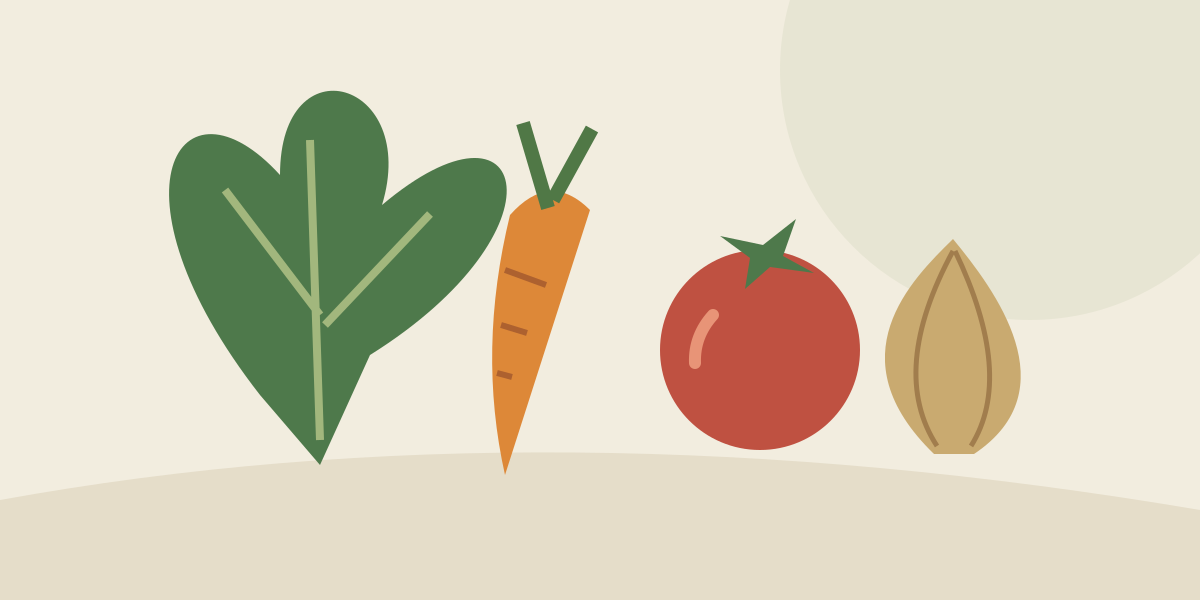
Greens, roots and everything in between
Leafy greens such as spinach suit quick wilting; cabbage has firmer leaves for slaw or a longer braise. Carrots and other roots can be grated, roasted or simmered. Broccoli and cauliflower have stems worth preparing as well as florets. Tomatoes, peppers and courgettes are botanical fruits treated as vegetables in the kitchen. These are cooking groups: use the actual ingredient and cut when following a method.
Buy for two meals
Choose firm carrots, crisp leaves and broccoli with compact florets. Avoid visibly damaged or decaying produce. A whole cabbage can make sense for slaw followed by a cooked dish; a large bag of tender greens needs a more immediate plan. Compare the amount you will eat with the pack price. Plain frozen vegetables offer an alternative when a fresh bag would sit unused. Follow their cooking instructions.
Wash before cutting; dry before browning
FDA advises rinsing produce under running water, including produce you will peel. Do not use soap or detergent. Scrub firm produce with a clean produce brush. Remove damaged areas and dry with a clean towel. Packaged greens labelled pre-washed or ready-to-eat do not need another wash. Keep produce preparation away from raw meat and its equipment.
Give the pan room
Cut carrots to a similar size and spread them out for roasting; crowding encourages steaming. Add delicate leaves near the end of a skillet meal rather than giving them the same time as roots. Slice broccoli stems more thinly than the florets, peeling a tough outer layer when needed. Dry salad leaves so dressing coats them rather than collecting as water underneath.
Store the ingredient in its actual state
Whole, cut and cooked vegetables need different handling. Refrigerate perishable produce such as leafy greens and all purchased pre-cut produce as directed by FDA and the label. Keep a cut portion covered and identifiable. Record what remains after cooking. For home freezing, follow vegetable-specific blanching instructions; one treatment does not suit every vegetable.
Recipes to start with
- Soft Spinach Scramble — quick cooking for tender leaves
- Sesame Cabbage Slaw — finely cut cabbage with crunch
Keep the storage guidance close
Plan the next step
Questions from the kitchen
Can I use the broccoli stem?
Trim the dry end, remove a tough outer layer and cut the tender centre into small pieces. Add it early enough to soften; a thick stem will not cook as quickly as a floret.
Should every vegetable go into the same drawer?
No. Storage depends on the product and whether it is whole, cut or cooked. Use the vegetable storage guide and package instructions rather than assigning every vegetable one location or shelf life.
Can tired greens always be rescued in soup?
No. Cooking cannot establish the safety of food with uncertain handling or signs of decay. Use sound ingredients; a recipe cannot assess their condition.
Sources and scope
U.S. handling references are linked below. Follow local official advice and the product label where requirements differ. Reviewed 9 November 2026.