
The ingredient kitchen
Dairy & Eggs: Make Each Opened Pack Count
A tub opened for one dressing can become tomorrow’s breakfast, while a few eggs can turn vegetables into a meal. Keep the package instructions close and plan a second use before buying another ingredient for a single spoonful.
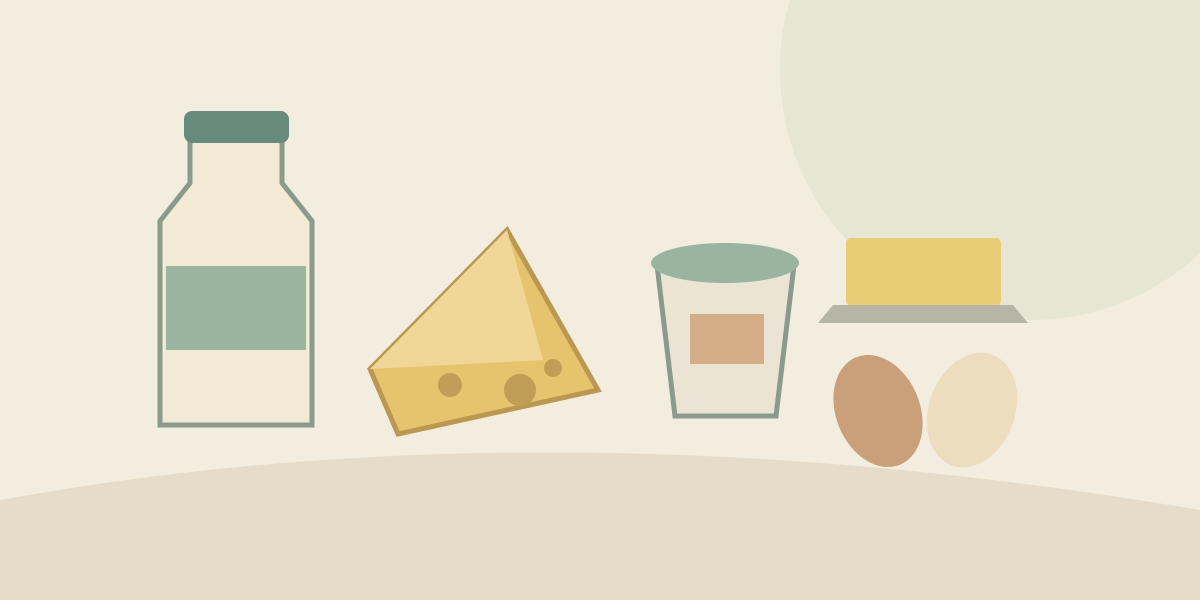
Five staples, five different roles
Milk adds liquid to oats and sauces. Plain yogurt brings acidity to a cool dressing; sweetened yogurt changes that balance. Hard cheese can be grated in small amounts, while ricotta adds moisture to a soft filling. Butter adds fat and flavour but behaves differently from milk. Eggs bind, thicken or form a dish of their own. Similar colour does not make these ingredients interchangeable.
Choose the pack you will finish
Check seals, dates and refrigeration instructions. Shelf-stable milk still needs the storage conditions specified after opening. Choose pasteurized dairy, especially for people at higher risk of foodborne illness. For eggs sold refrigerated, check for clean, uncracked shells and keep them cold. Egg storage practices vary by country: follow local labels and official guidance. Compare usable amounts instead of assuming the biggest tub is best value.
Record opening dates without merging cartons
Keep older and newer purchases as separate inventory batches. Record opening dates when the instructions depend on opening. A best-before date, a use-by date and your own reminder are different fields. Do not invent an “opened dairy” shelf life for every product: milk, yogurt, soft cheese and butter vary by formulation and packaging.
Keep containers and utensils clean
Return chilled products to the fridge promptly. Pour out the milk you need and use a clean spoon for yogurt rather than eating from a shared tub. Cover cheese as instructed and protect butter from strong odours. After handling raw eggs, wash hands and clean equipment before touching ready-to-eat ingredients.
Match the heat to the ingredient
Use yogurt in a cool dressing or follow a recipe’s gentle finishing step; boiling can split it. Measure soft cheese as the ingredient line specifies. Salted butter affects seasoning. When scaling eggs, beat and measure a portion only where the recipe allows it. Follow FDA cooking guidance for egg dishes; use pasteurized eggs or egg products for dishes served raw or undercooked.
Freeze for a future use
Check product-specific freezing directions. Dairy may separate after thawing, so a cooking use can suit it better than a fresh topping. Do not freeze eggs in their shells; follow official directions for beaten whole eggs or separated whites. Label portions and use the storage guide for the exact product instead of a single rule for this category.
Recipes to start with
- Cucumber Yogurt Salad — a cool dressing
- Spinach Ricotta Breakfast Wraps — eggs and soft cheese
- Ricotta Blueberry Toast — a small cheese portion
Keep the storage guidance close
Plan the next step
Questions from the kitchen
Can yogurt replace milk in any recipe?
No. It changes acidity, thickness and water content. Use a recipe’s substitution note or a method written for yogurt, especially in baking and heated sauces.
Is a reminder date the same as a use-by date?
No. A reminder is your planning aid. It cannot extend a label’s use-by instruction or verify that the product stayed cold.
What can I do with a little ricotta or yogurt?
Plan a measured portion for toast, a wrap or a dressing while it remains suitable under its label and handling conditions. Keep it cold and use a clean utensil each time.
Sources and scope
U.S. handling references are linked below. Follow local official advice and the product label where requirements differ. Reviewed 9 November 2026.