
The ingredient kitchen
Fruit from First Ripeness to the Last Portion
The best fruit for tomorrow’s snack may not be the best fruit for tonight’s porridge. Choose for the moment you intend to eat it, then give the rest a destination. A small bowl of berries can finish toast; an apple can bring sweetness to breakfast without starting a whole new recipe.
Choose a kind and a purpose
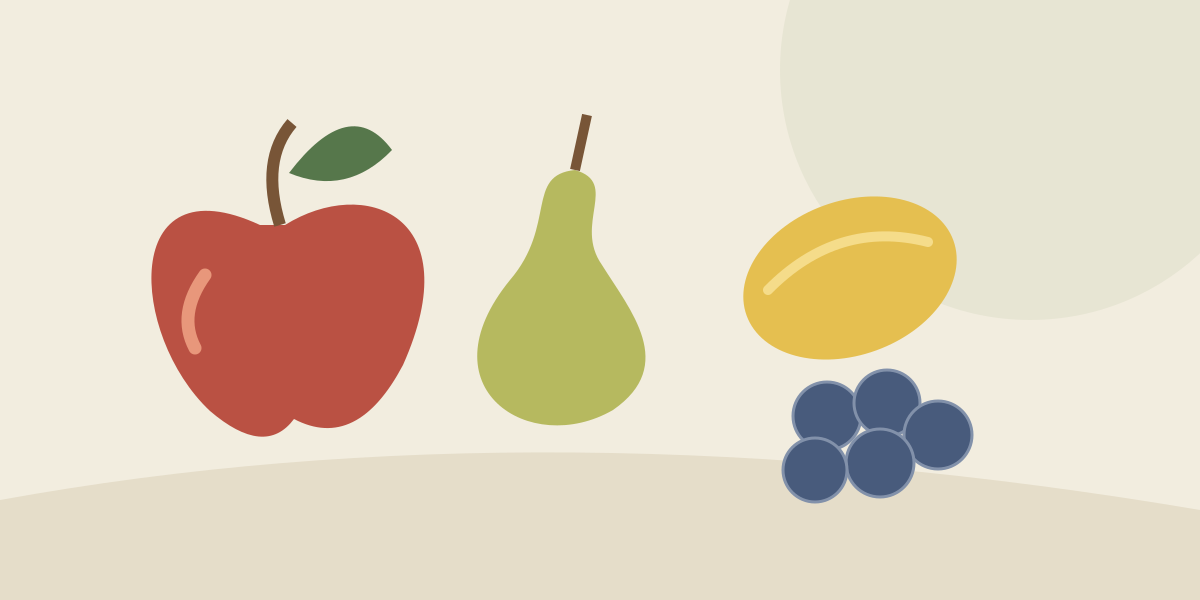
Apples and pears bring structure to slices or cooked breakfasts. Berries are delicate toppings; citrus offers juice, zest and segments. Stone fruits such as peaches have a central pit, while mango and pineapple need more trimming. Bananas mash readily into soft mixtures. Fresh, dried and frozen fruit have different concentrations and textures: do not exchange them cup for cup without checking the recipe.
Read ripeness, then plan the order
Inspect berry packs underneath for leaking or mouldy fruit. A peach or pear that yields gently may suit eating soon, while a firmer one may need time. Colour alone is unreliable across varieties. Bananas and pears can continue ripening after harvest; berries will not become sweeter simply because you leave them on the counter. Buy a mix that matches your week rather than a bowl that all needs eating tonight.
Prepare only what you need
Rinse fruit before cutting or peeling, and scrub firm rinds with a clean brush. Use a clean knife and board; dry berries gently and remove pits, cores and inedible skin as appropriate. FDA recommends against washing produce with soap. A fruit salad needs appropriate refrigeration; adding citrus does not make it shelf-stable.
Move from ripening to cold storage deliberately
Follow the product’s storage instructions and refrigerate cut fruit. Keep cut melon covered and cold. Check ripe fruit when making your next meal plan. A soft, sound piece may suit cooking, but do not blend visibly mouldy or spoiled fruit into a smoothie. Ripeness describes eating quality and does not prove safety.
Freeze for the texture you want later
Prepare sound fruit and portion it for its next use. Follow the National Center for Home Food Preservation’s directions for the specific fruit, including any treatment to reduce browning. Label freezer containers with the fruit and date. Thawed berries soften, making them useful in porridge or a cooked topping. Follow purchased frozen fruit’s label, including any cooking requirement.
Give the remainder another role
Grate apple into oats, add a handful of berries to ricotta toast, or fold mango into a chickpea salad near serving. Add citrus juice to dressing gradually and taste for balance. Choose the next use while the fruit is still suitable to eat, rather than waiting for a large bowl of leftovers.
Recipes to start with
- Stovetop Apple Cinnamon Oats — grated fruit for breakfast
- Ricotta Blueberry Toast — a fresh topping
- Mango Chickpea Yogurt Salad — a savoury lunch
Keep the storage guidance close
Plan the next step
Questions from the kitchen
Will berries ripen on the counter?
They may soften and deteriorate but will not gain the sweetness of fruit left on the plant. Choose berries ready to eat and follow their cold-storage guidance.
Can I freeze fruit without sugar?
Yes. NCHFP explains that sugar is used for quality rather than as a preservative in frozen fruit. Follow its fruit-specific preparation and packaging directions.
Can frozen fruit replace fresh fruit on toast?
It may release liquid and feel much softer. A cooked topping is often a better fit; follow package directions and account for the extra moisture.
Sources and scope
U.S. handling references are linked below. Follow local official advice and the product label where requirements differ. Reviewed 9 November 2026.